About the Lead Task Team
As a result of the growing realisation of the harms caused by lead (Pb) to wildlife, including the increasing emphasis on lead in multiple multilateral environmental instruments, the South African government, together with concerned NGO’s, established the Lead Task Team in 2019. This is a subgroup of the National Wildlife Poisoning Prevention Working Group.
Lead poisoning among humans and scavenging wildlife, including both engangered bird and mammal species is a growing concern. The primary source of this lead is fragments of spent ammunition left in carcasses/gut piles left available to scavangers after hunting, harvesting, culling, or predator control activities. Lead is a potent neurotoxin.
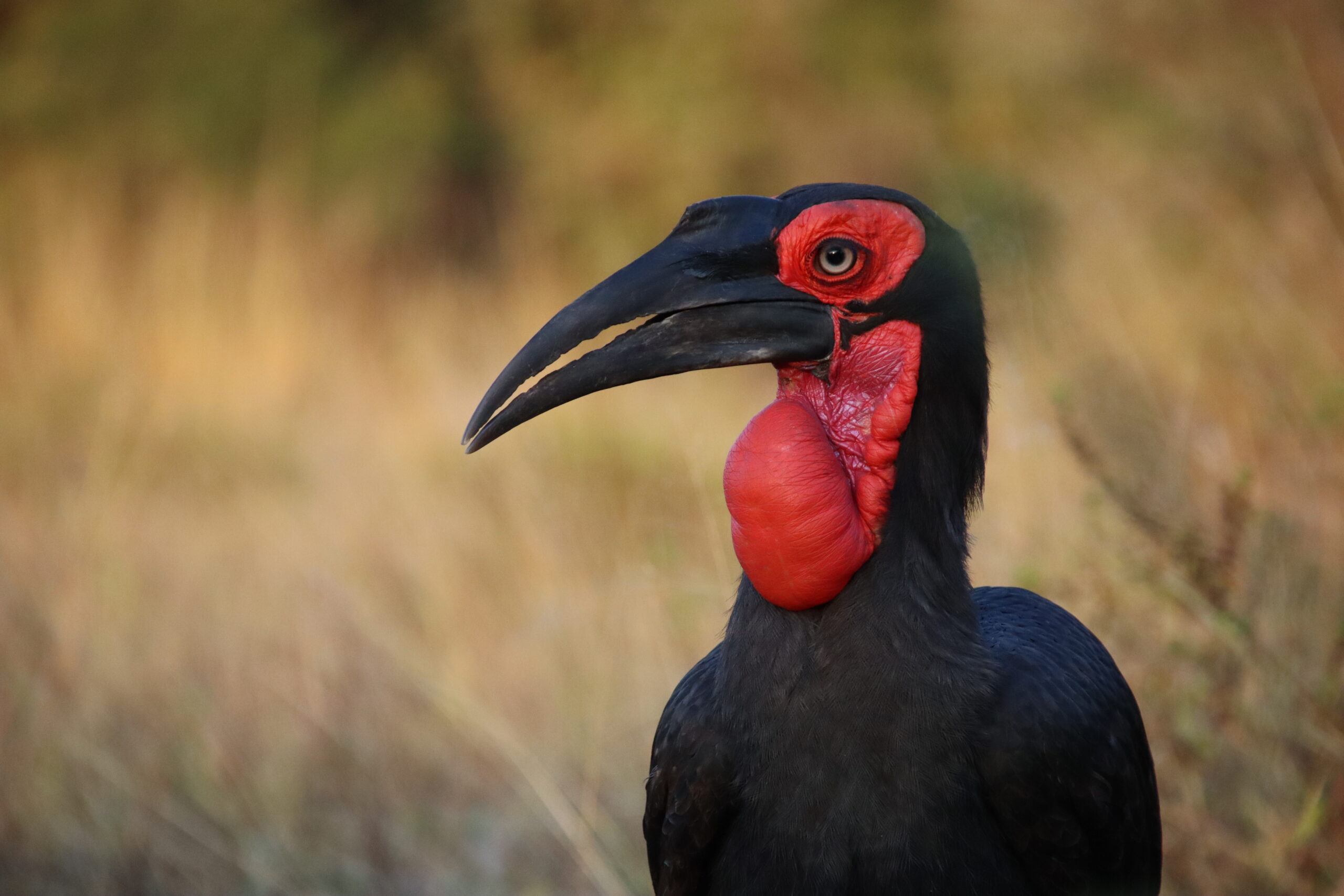
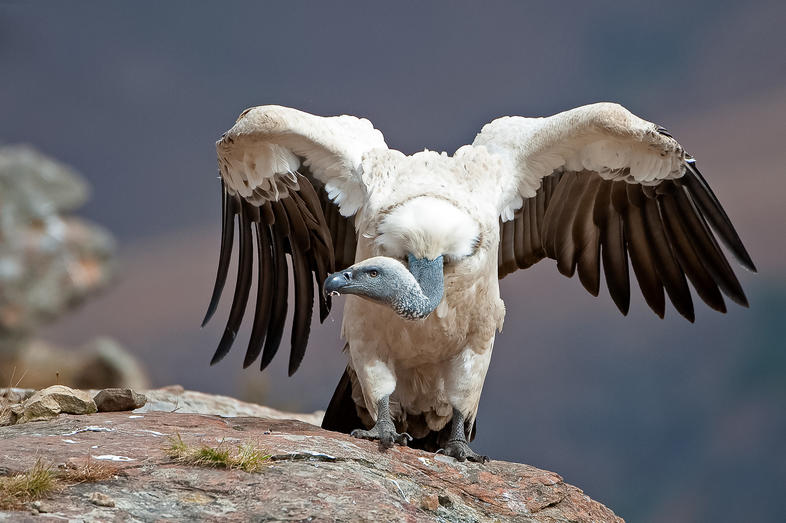
Substantial evidence in international scientific literature illustrates the consequences of lead exposure in all scavengers. Additionally, there is ample information on lead’s detrimental impact on vulture, ground-hornbill, crocodile, wild dog, cheetha and hyena populations in southern Africa, however, most people are unaware of the effects of lead on themselves, their children and our wildlife.
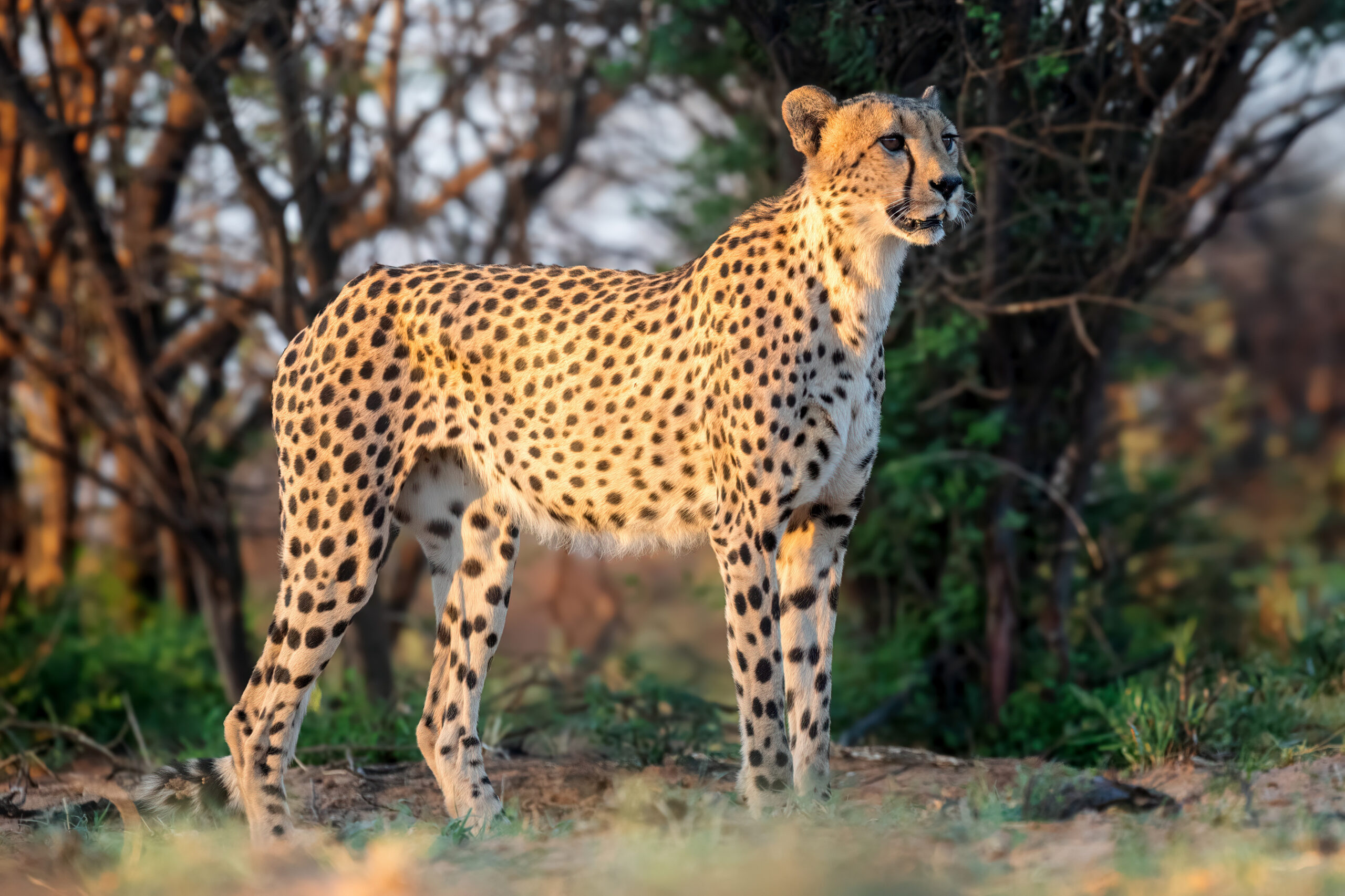
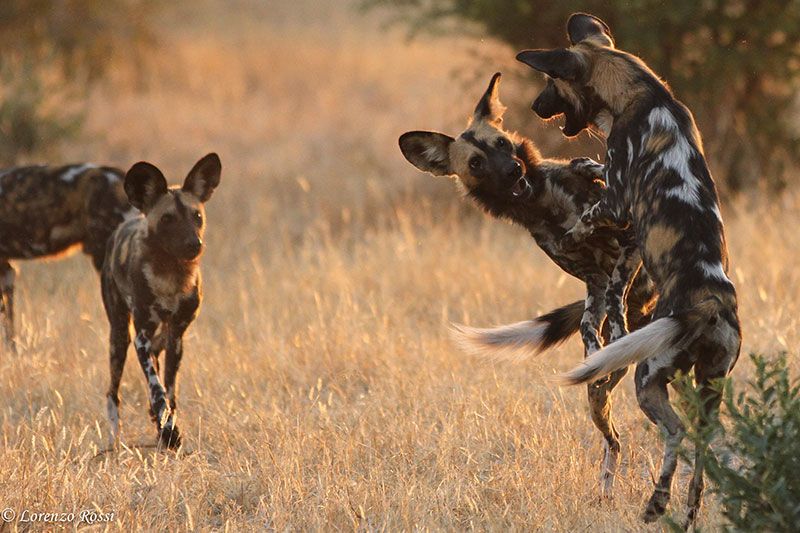
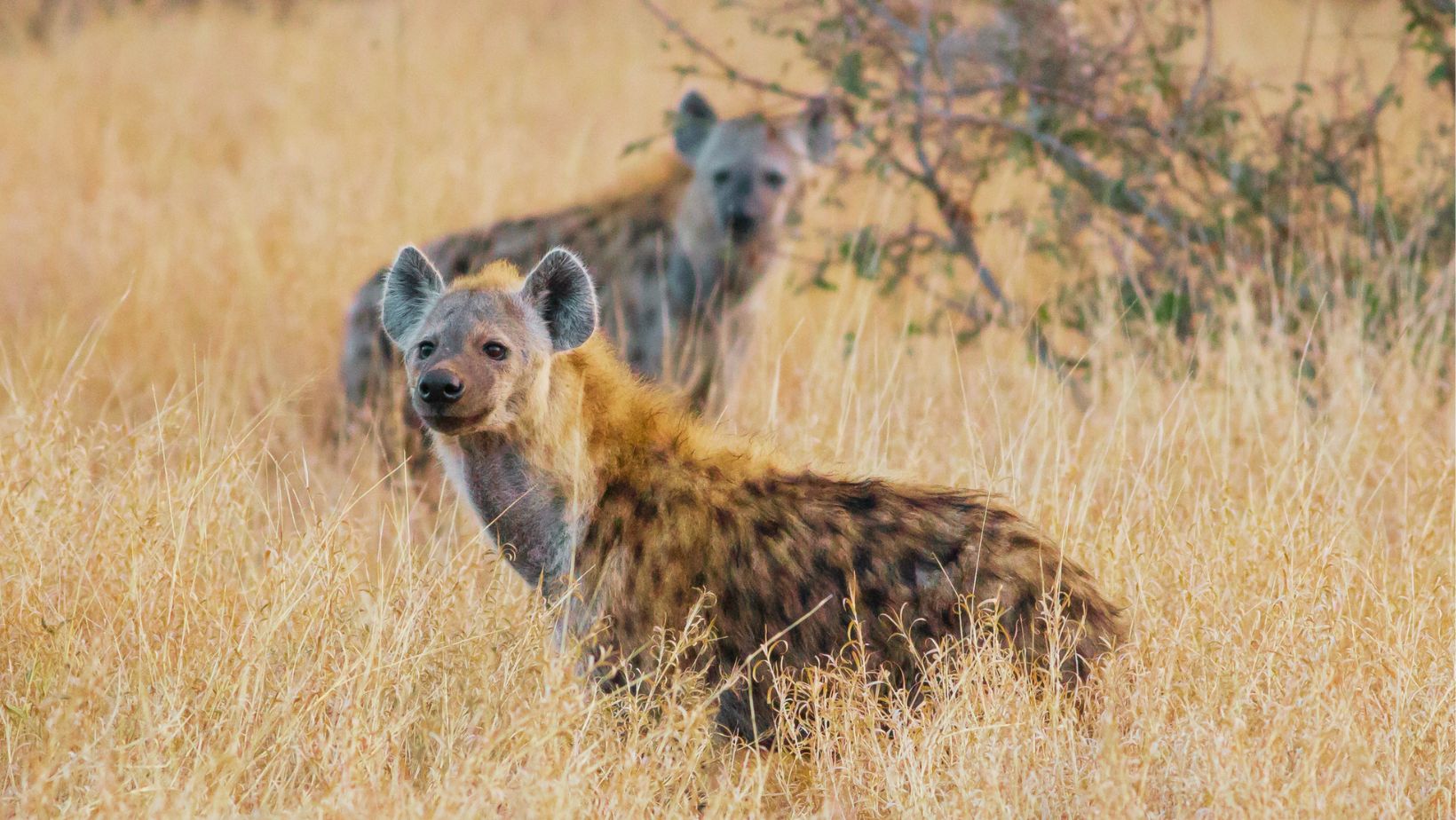
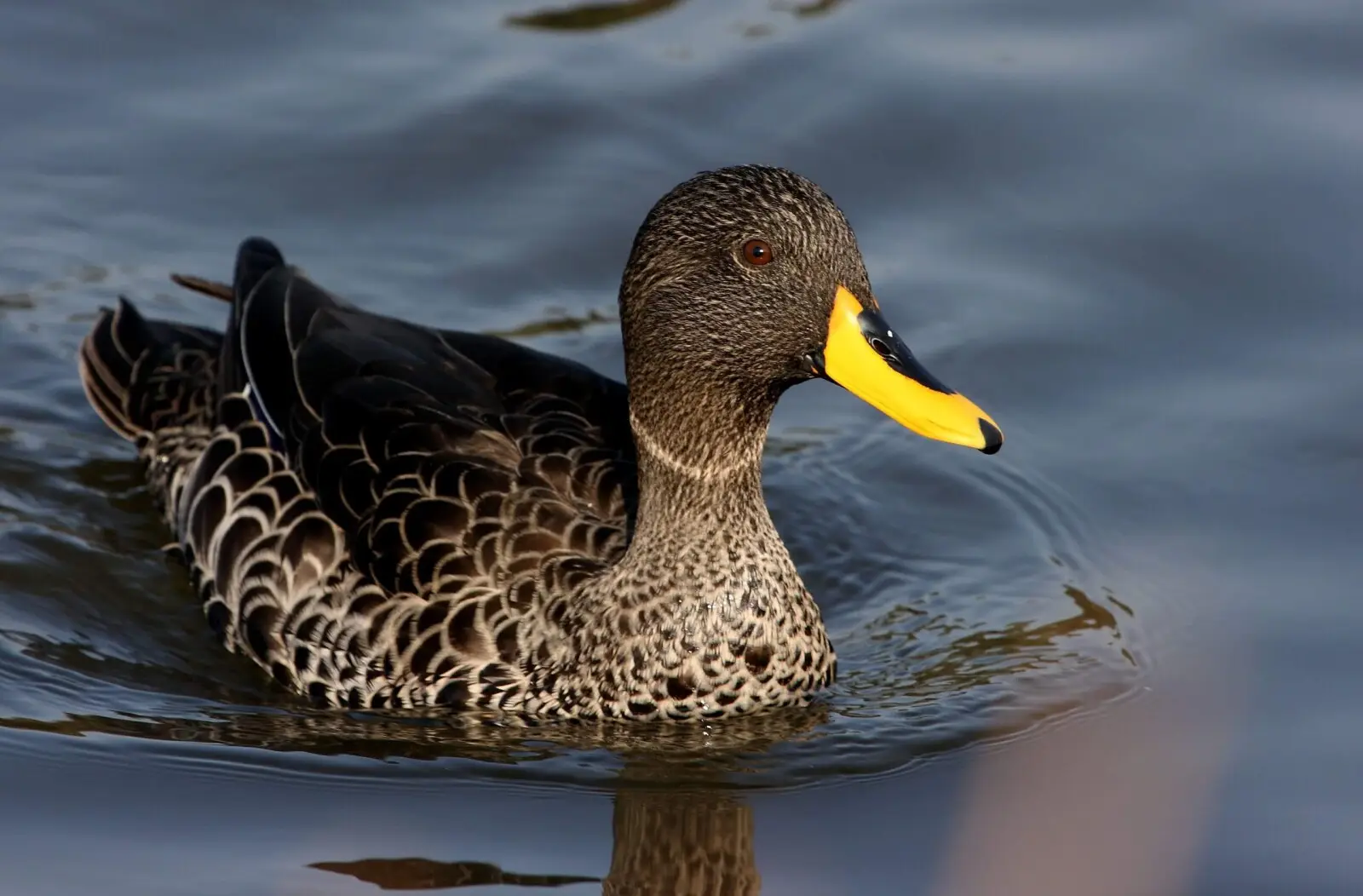
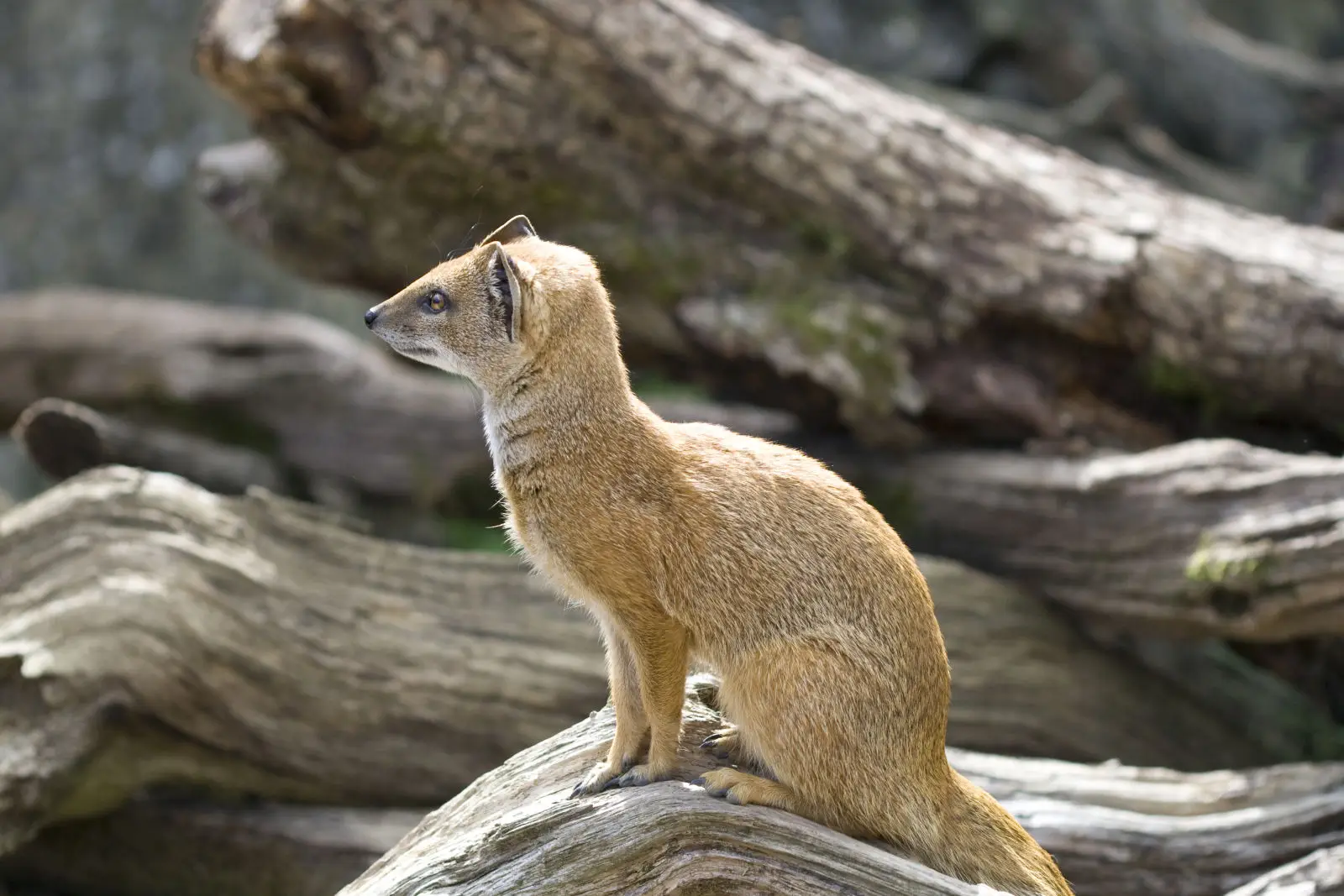
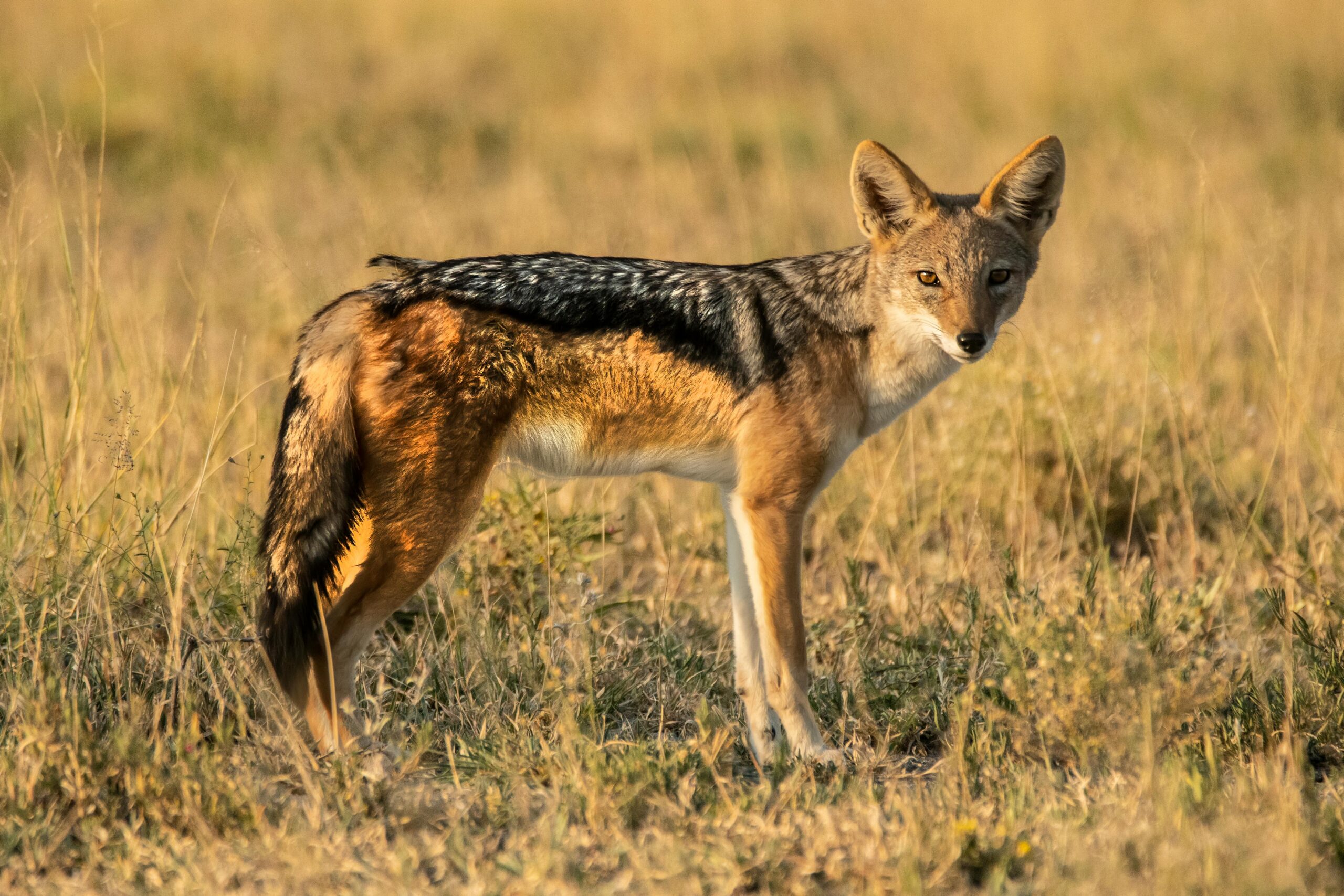
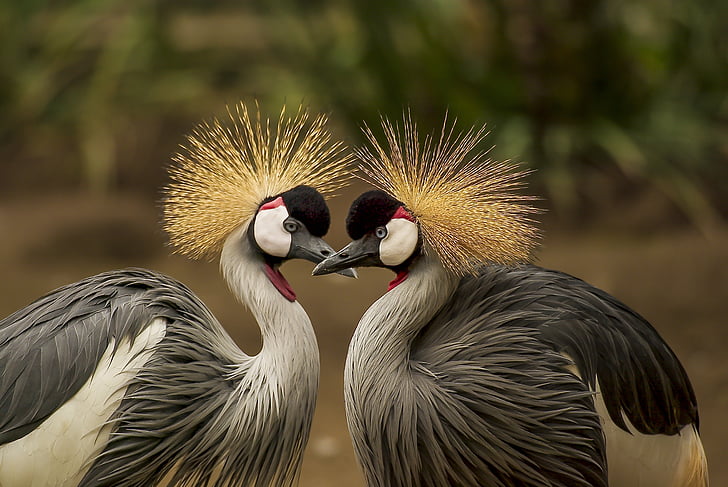
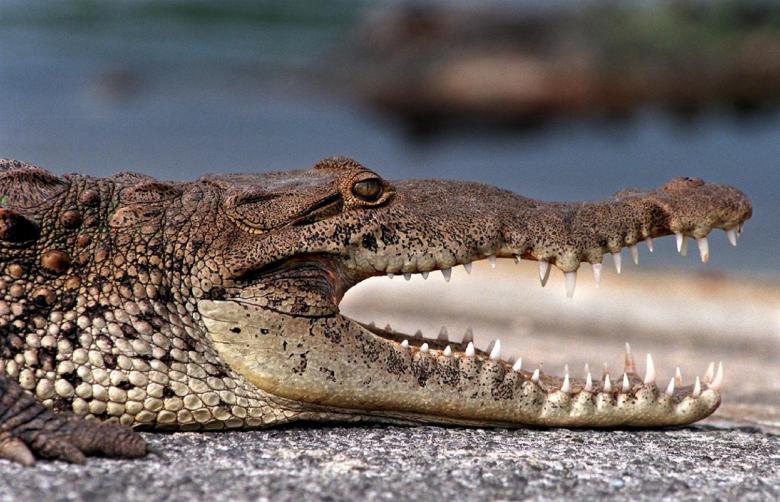
The Lead Task Team therefore is addressing the unregulated use of lead, creating awareness around the use and effects of lead to both human and wildlife health as well as develop frameworks and regulations to reduce the presence of lead in the environment and in the meat that we consume.
In summary, the Lead Task Team is committed to working constructively with all role players to ensure that both wildlife (and humans) are not harmed by exposure to lead.
Terms of reference
Encouraging the transition of the hunting and wildlife sector towards lead-free ammunition by:
- Providing information on the adverse effects of lead ammunition
- Awareness about lead-free alternatives (including German calibre firearms)
- Conducting tests on lead-free ammunition, such as copper ammunition
Monitoring and research:
- Monitoring lead levels in the blood and feathers of wild-captured vultures, ground-hornbills and other scavengers
- Monitoring lead levels in the bones of deceased vultures, ground-hornbills and selected carnivores
- Surveying arms dealers regarding the types of ammunition they sell
A
Encouraging the transition of the hunting and wildlife sector towards lead-free ammunition by:
- Providing information on the adverse effects of lead ammunition
- Awareness about lead-free alternatives (including German calibre firearms)
- Conducting tests on lead-free ammunition, such as copper ammunition
Monitoring and research:
- Monitoring lead levels in the blood and feathers of wild-captured vultures, ground-hornbills and other scavengers
- Monitoring lead levels in the bones of deceased vultures, ground-hornbills and selected carnivores
- Surveying arms dealers regarding the types of ammunition they sell
Member organisations